
The Big Food Allergies: An In Depth Look
Over the last few weeks we have looked at how to discover a food allergy and how to recognize one. Now I would like to take a look at the big food allergies that you need to worry about. It is important to remember that while these are the big food allergies that we worry about, and the ones most likely to cause serious harm, these are far from the only allergies out there. In fact just this week I found out that the dinning halls for the big college near us pay attention to 51 different food allergies and intolerances. Even with all of the food allergy research I have done that number blew me away.
There are eight big food allergies. They are:
- Eggs (mostly found in children)
- Fish (found in older children and adults)
- Milk (mostly found in children)
- Peanuts (all ages)
- Shellfish (all ages)
- Soy (mostly found in children)
- Tree Nuts (all ages)
- Wheat (mostly found in children)
Egg Allergy
This is one of the most common childhood allergies. In can appear as early as infancy, but half of those who suffer from it will out grow the allergy before they start school. There are different parts of the egg that can cause allergic reactions. Some of the allergy causing proteins are broken down when cooking, so some egg allergy sufferers can eat baked products that contain egg (Nick is not so lucky). A very small number of people have a bird-egg allergy meaning they are also allergic to poultry.
Fish Allergy
This is a lifelong allergy. Once it develops it won’t go away. It is mostly found in adults. The reasoning for this being that adults have had more exposure to fish. The most common fish that cause the allergy are Salmon, Tuna, and Halibut. Usually if someone is allergic to one type of fish then they are also allergic to another type, so complete avoidance of fish is recommended.
Milk Allergy
An actual milk allergy is different than a lactose intolerance. Mostly children have milk allergies and the allergy is usually spotted during infancy. Most children will outgrow this allergy by the time they go to school and only a fifth of them will still have it as an adult. The allergy is usually tied to the proteins whey and casein. Sometimes kids can tolerate milk from animals other than cows, but that is not often the case.
Peanut Allergy
Peanut allergies are found in people of all ages because very few children outgrow it (although it is possible). The severity of the allergy varies from person to person. There are a number of allergens within a peanut that can cause an allergy and they are not destroyed with cooking or roasting. To protect those with a peanut allergy you can wipe your hands with a disinfecting wipe or use hand sanitizer after exposure to peanuts. This will get rid of the peanut oils that cause a reaction.
Shellfish Allergy
A shellfish allergy is a lot like a fish allergy and is quite common. If you’re allergic to one type of shellfish than you’re likely allergic to other types as well, so all types of shellfish should be avoided. This type of allergy is commonly seen in adults because it is rarely outgrown. The People that are allergic from shellfish can have a reaction not only from eating it but also from the vapors caused by cooking it.
Soy Allergy
Soy allergies are most common in babies and young children and is typically outgrown at a young age. While it can cause life threatening reactions they aren’t as common. Soy is used in many types of foods and is difficult to avoid. Babies allergic to milk are often given soy based formula, but many times those that are allergic to milk also end up having an allergy to soy.
Tree Nut Allergy
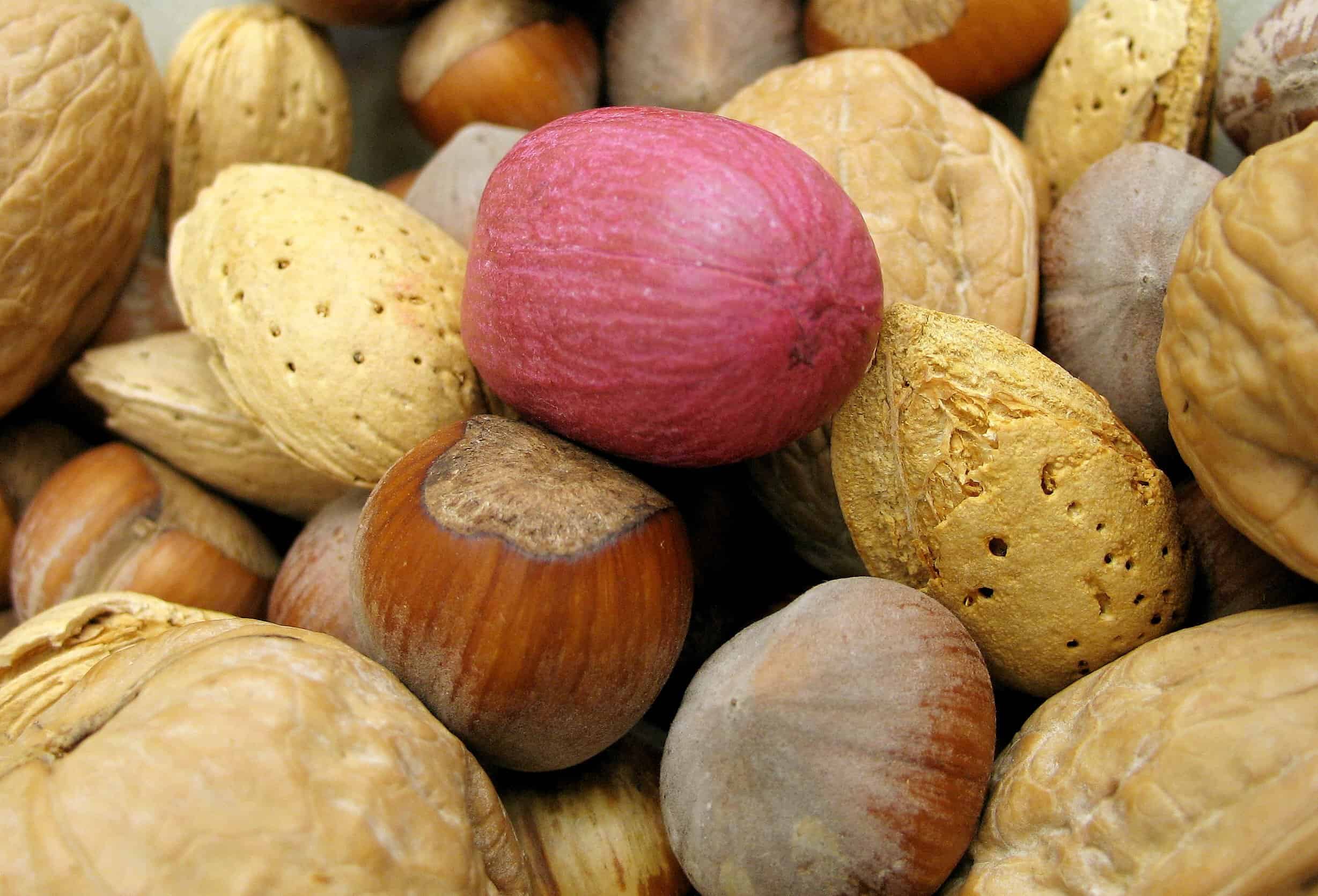
This is one allergy that many can find confusing. Everyone know about peanut allergies, but they don’t always realize that there is another type of nut allergy. Having a peanut allergy doesn’t mean you have a tree nut allergy and the reverse is true as well. This allergy is not likely to be outgrown, and those that are allergic to one type of tree nut are often allergic to other types. The worst culprits are walnuts, hazelnuts, almonds, pecans, Brazil nuts, pine nuts, macadamia nuts, and cashew nuts.
Wheat
A wheat allergy is most commonly found in children and is usually outgrown by adulthood. A wheat allergy is not the same as celiac disease which is a digestive disorder caused by gluten. Most people allergic to wheat will not be allergic to other cereal grains although allergy skin tests could still show up as positive for an allergy to them.
I was super impressed this year to find out that Dollywood in Pigeon Forge Tennessee actually has an extensive process for making sure anyone with food allergies or sensitivities can eat without worry. I am very fortunate in that I am not allergic to anything (food or otherwise) but I have friends who have children that are allergic to several on your list.
That’s really good to know!
This is great information! I think a lot of people throw around the word “allergy” without really knowing what it means–I have a friend who claims to be allergic to wheat, but really she means gluten-intolerance.
It’s really true. Even I haven’t always understood the difference. I plan on writing a post soon explaining the difference between an allergy and an intolerance.
I enjoyed reading this very much. Sometime you might want to write about carrots and tomatoes